

When controls work
Nobody notices the technology.
01
One-Touch Operation
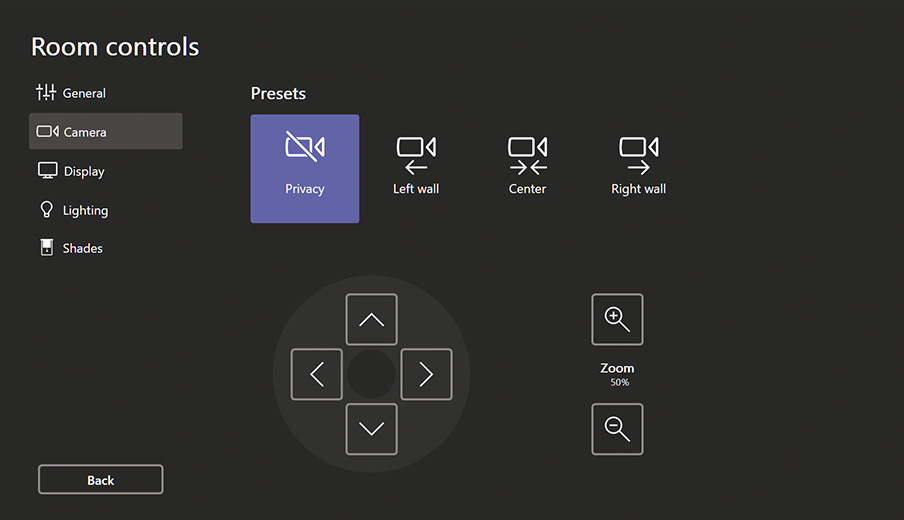
Any user walks in, touches one button, and the meeting starts. Our AV room control systems eliminate mode selection, input switching, and hunting for the right source.
02
Minimal Training Required
The best smart office automation is one nobody has to explain. When the interface is intuitive enough that a first-time user succeeds without help, the design has done its job.
03
Consistency Across Rooms
Same button placement, same logic, same result in every space. Our AV system control integration ensures users build confidence because the experience never surprises them.
04
Reduced Support Burden
Standardized automation systems for offices generate dramatically fewer support calls. Your IT team stops managing room failures and starts focusing on work.
WHERE CONTROL SYSTEMS BREAK DOWN
Over-engineered control is a support burden waiting to happen.
Most control systems are designed to impress during a demo, not to serve the person walking in cold on a Monday morning. Over-complex AV control systems end up being the problem, not the solution.
Who this is for
Built for people who own the outcome.

IT Teams Tired of One-Offs
You need standardized AV control systems that scale without creating new overhead every time a space gets added or refreshed.

Facilities Managing Many Rooms
Your users move between rooms, floors, and buildings. Our automation systems for offices ensure they walk into any space and know exactly what to do without looking for instructions or calling for help.

Organizations with Diverse User Groups
From executives to interns, your smart office automation experience needs to work for everyone without training, without manuals, and without variation from room to room.

AV and Integration Teams
You need AV system control integration built for long-term maintainability. Standardized logic means easier updates, faster troubleshooting, and less time spent on rooms that should just work.
The projectus approach
Designed to last.
We design the user experience before we write a single line of control code. That means understanding how people actually use the space and eliminating complexity before it becomes a problem. Every room is built on repeatable AV room control systems templates that behave the same way across every room type, so the experience is consistent whether it is the first room or the fiftieth.
Once a control template is validated, it scales. Adding a new room or location means applying a proven design to a new space, not starting from scratch. Control logic, input maps, button configurations, and escalation paths are all documented and delivered before the project closes, so your team can support the environment without depending on us for every change.
1000+
Trusted Companies




ready to get started?
Design Control That Works for People
Whether you’re planning a new buildout or improving what you have, we’re ready to help you find clarity. Talk with a Solutions Architect.
Areas we serve
We make sure all our Oregon customers are satisfied with our AV service, if you need AV control systems installed, you can always call us from: