


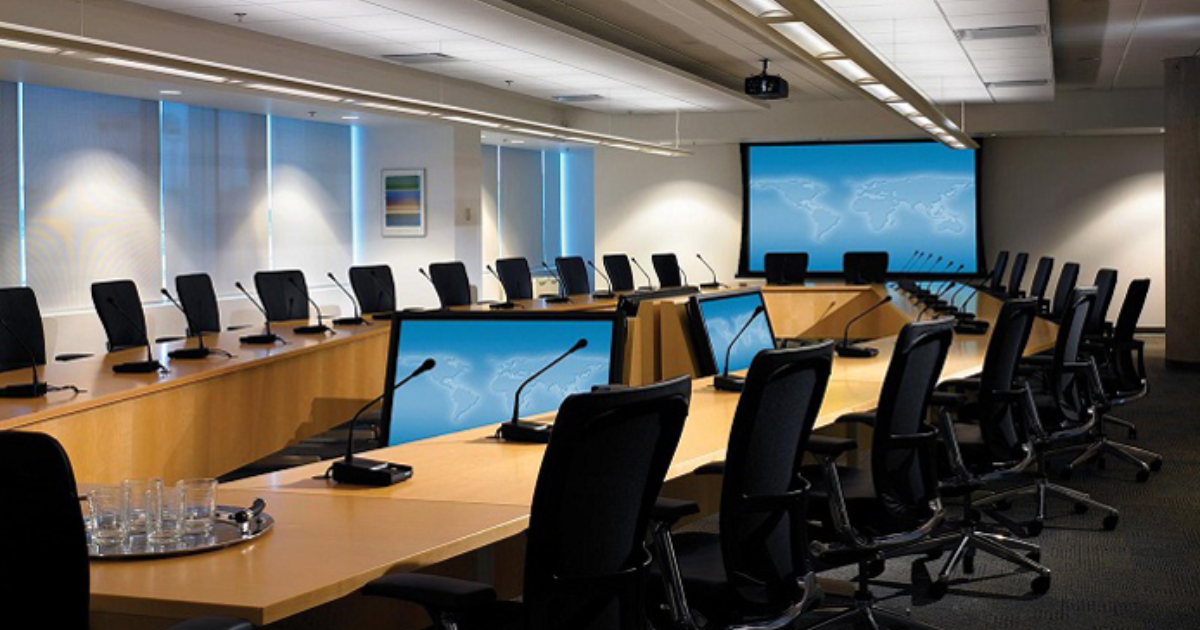
If you’ve ever bought a TV, a soundbar, and a streaming device separately and then spent an evening trying to get them all to work together, you have a small taste of what AV integration solves on a much bigger scale. AV system integration in offices really comes down to taking individual pieces of technology – displays, cameras, microphones, speakers, and control systems – and making them work together as one seamless system.
It might sound like a technical detail that only IT departments need to care about, but the results of good or bad integration affect everyone who steps into a meeting room. Let’s break down what’s actually involved.
More Than Just Plugging Things In
On the surface, AV integration might seem as simple as connecting a few cables. In reality, AV system integration involves making sure every device communicates correctly, performs reliably, and works with the platforms your business actually uses, like Microsoft Teams or Zoom. That requires planning, configuration, and testing that goes well beyond plugging in a cable.
Why Compatibility Matters So Much
Not every piece of AV equipment works well with every other piece, even if they’re technically compatible on paper. Integration involves selecting devices that are certified to work together and with your chosen software platforms. This avoids issues like dropped audio, video lag, or devices that simply don’t recognize each other. This is why thoughtful planning with an experienced partner like Projectus always starts with integration planning.
Designing Around How the Room Is Used
Good AV integration starts with understanding how a room will actually be used. A training room has very different needs than an executive boardroom, even if both rooms have similar equipment on paper. Part of AV system integration in offices involves configuring that equipment to match the room’s purpose, not just installing it and hoping it fits. Our conference and meeting room solutions are designed this way.
The Role of the Control System
Integration is also what allows a single control interface to manage an entire room. Behind that simple interface, the control system is coordinating communication between the display, camera, microphones, and software platform. Without proper integration, you’d need to control each device separately, which defeats the purpose of having a unified system in the first place. Our control and automation solutions tie everything together seamlessly.
Why DIY Integration Often Falls Short
It’s tempting to think that buying high-quality individual components is enough. But AV system integration in offices really requires expertise in how those components work together, not just how good each one is on its own. A mismatched setup, even with expensive equipment, often performs worse than a properly integrated system using more modest devices.
Setting the Foundation for Future Growth
Properly integrated systems are also easier to expand later. Adding a new room or upgrading equipment becomes a matter of building on an existing, well-documented foundation rather than starting over each time. This is one of the long-term benefits that often gets overlooked when businesses are focused only on the initial installation. Managed services help protect that foundation over the long haul.
Ready for AV That Actually Works Together?
Understanding AV system integration in offices makes it a lot easier to see why some setups feel effortless while others feel like a constant struggle. Projectus has been integrating AV systems for Oregon businesses since 1996, designing every project around how the space will actually be used. Reach out to us and start the conversation.