


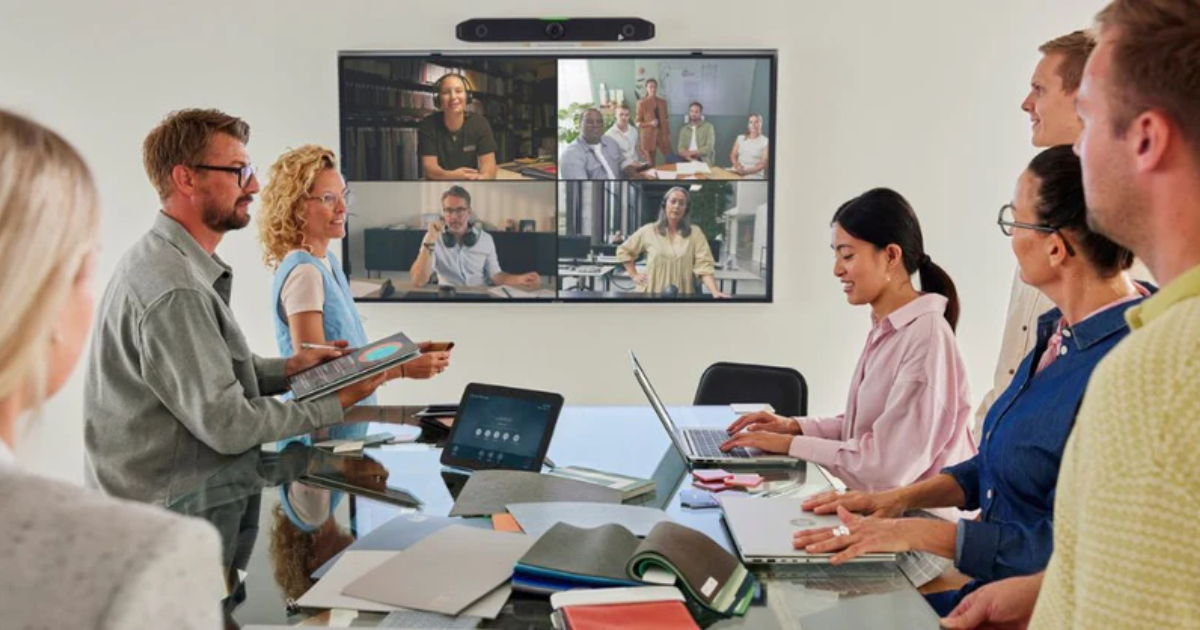
Technology in the workplace has a way of layering complexity onto problems it was supposed to solve. You install a display, then a camera, then a speakerphone, then a video platform, and suddenly starting a meeting requires navigating four different remotes and two login screens. Automated AV systems exist to collapse all of that into something anyone can actually use.
If you have been wondering why more businesses are investing in automated AV systems, this guide gives you a clear picture of what they deliver, who benefits most, and what the return looks like in practice.
The Core Problem Automated AV Systems Solve
Most meeting room failures happen because the technology is too complicated for the average user to operate confidently. Someone plugs into the wrong port. Someone adjusts a setting that should not have been touched. The camera is pointing at the ceiling because nobody reset it after the last meeting.
Automated AV systems solve this by removing variability. The system behaves the same way every time, regardless of who is in the room. There is one interface, one set of behaviors, and no opportunity to accidentally misconfigure something.
They Make Meetings Start On Time
Time lost at the start of meetings is one of the most measurable costs in any organization. Research from various productivity studies has consistently shown that the average meeting starts three to five minutes late, most often due to technology issues.
With automated AV systems, starting a meeting means pressing one button. The display turns on, the video platform launches, the camera activates, and the audio levels are calibrated. Everything is ready before the first person speaks.
They Reduce IT Support Burden
When meeting room technology is complex and inconsistent, IT spends a disproportionate amount of time responding to support tickets from conference rooms. That is not a good use of skilled IT resources.
Automated AV systems dramatically reduce this support load. Because the system behaves consistently, problems are easier to diagnose. Many modern systems also allow remote monitoring and management, so IT can check room health, push firmware updates, and resolve many issues without ever entering the room.
They Support Hybrid Meetings At Scale
Hybrid work is here to stay, and automated AV systems are what make hybrid meetings work at scale. When every room in your portfolio is configured consistently, remote participants get the same quality experience regardless of which location they are calling into. That consistency builds trust in the technology.
It also means users do not need to learn different behaviors for different rooms, which reduces training time and increases adoption.
Energy Efficiency Is A Real Bonus
Automated systems can be programmed to shut down when rooms are unoccupied, using occupancy sensors to detect when the last person has left. This eliminates the common problem of displays and cameras running all night because nobody turned them off.
Across a multi-room deployment, this kind of automated power management can produce meaningful reductions in energy consumption, which adds up quickly at scale.
Ready To Make Your Rooms Work Better?
The case for automated AV systems is straightforward: they reduce friction, support IT, improve the meeting experience, and pay for themselves over time in reclaimed productivity and reduced support costs.
The team at Projectus designs and installs control and automation systems that work exactly as intended, day after day. Talk to us today and explore what automated AV systems can do for your organization.