


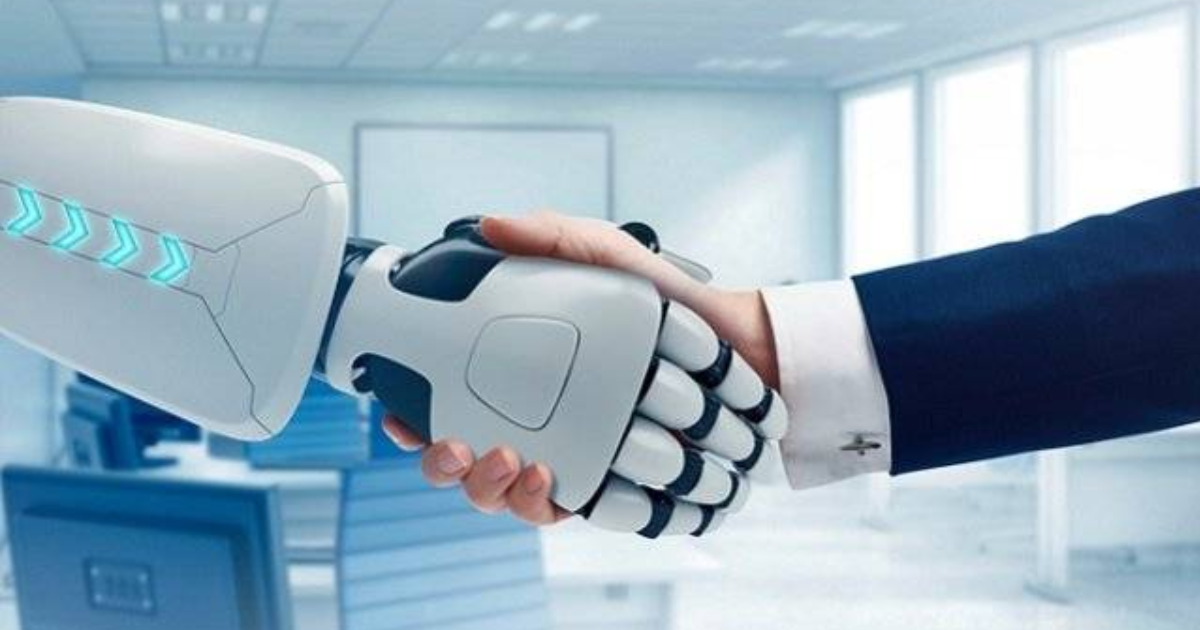
Walk into an office and you will see scores of small tasks that quietly consume time. Turning on the lights. Adjusting the temperature. Starting a projector. Switching the meeting room from one display to another. Every one of these actions is tiny on its own, but multiplied across a workforce and across a year, they add up to a significant drain on productivity. Automation changes that picture.
Here is how automation improves workplace efficiency in practical, measurable ways.
Removing Manual Friction
The most immediate impact of automation is the removal of manual steps. In an automated meeting room, arriving for a meeting is enough to start the system. Lights come up, the display powers on, and the conferencing platform joins the meeting with a single press. Users no longer spend minutes fumbling with remotes, cables, and menus. That saved time, repeated every day in every room, is real efficiency.
Room automation turns a confusing array of controls into a simple, predictable experience. The result is fewer delays and meetings that actually start on time.
Improving Consistency and Reliability
Human error is a major source of inefficiency. Someone forgets to power down equipment, leaves the system in the wrong state, or makes a mistake during setup for the next group. Automation removes these variables by handling routine operations consistently every time. Because the system behaves the same way in every room, users learn the pattern once and can move between spaces without a learning curve.
Controlling Energy Costs
Automation also contributes to efficiency through smarter energy use. Systems that automatically power down displays, lighting, and other equipment when a room is empty reduce wasted energy. These savings compound across many rooms and many hours, translating into real operational cost reductions.
Freeing IT and Facilities From Repetitive Work
When routine tasks are automated, the people who used to handle them are freed to focus on higher-value work. Technical staff spend less time responding to preventable problems and more time on initiatives that move the organization forward. This is efficiency measured in human attention as much as in energy or minutes.
Providing Visibility and Insight
Modern automation and control systems provide data about how spaces are actually used. Metrics such as room occupancy, meeting frequency, and equipment usage give facility and IT teams visibility they did not previously have. This insight supports better decisions about space allocation, schedule management, and equipment investment.
Supporting a Modern, Flexible Workplace
Automation is also a foundation for the flexible, hybrid-friendly workplace. Automated rooms make it easier to move between in-person, remote, and hybrid meetings without friction. This flexibility supports a workforce that increasingly expects spaces to simply work.
For organizations planning new spaces, starting with automated conferencing environments from the design stage is more cost-effective than retrofitting later.
Bring Automation to Your Workplace
Projectus has been designing and deploying workplace automation across Oregon since 1996. If you want to understand how automation can improve workplace efficiency in your organization, talk with a Solutions Architect. Ready to get started? Contact us.